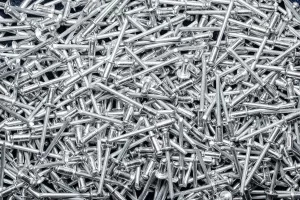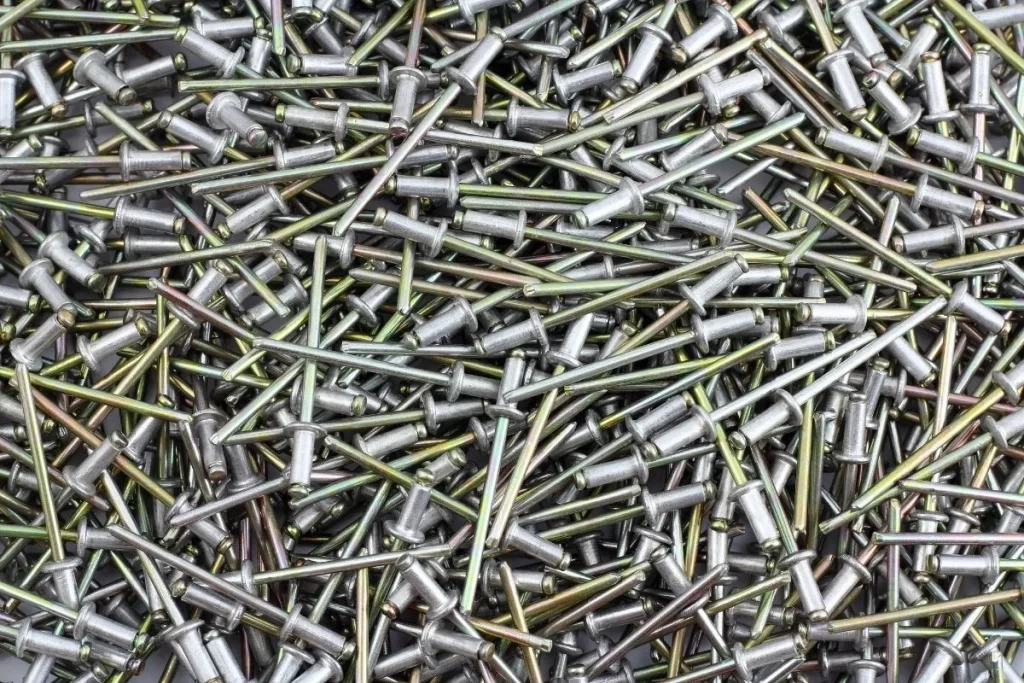

Standard Pop Rivet: Special alloy aluminum body and steel nail They can be used to join almost any material, mostly metallic surfaces, and are the most widely used type of rivet.
Standard Pop Rivet: Special alloy aluminum body and steel nail
They can be used to join almost any material, mostly metallic surfaces, and are the most widely used type of rivet.
Wide Head Pop Rivet: Special alloy aluminum body and steel nail
Thanks to a wider flange compared to the standard pop rivet, if the material to be joined is a fragile material such as plastic, it provides a more solid grip and prevents the rivet head from being buried in the material being joined or the material from escaping from the rivet.
Pop Rivet with Countersunk Head: Special alloy aluminum body and steel nail
The only difference from the standard pop rivet is that the flange part of the rivet body is countersunk. In this way, a countersunk hole is drilled into the surface to be riveted and a protrusion-free surface is obtained after riveting.
Pop Rivet with Closed Back: Special alloy aluminum body and steel nail
It is used to minimize the passage of liquid and gas after the riveting process.
Octopus Rivet (Spider Rivet) : Special alloy aluminum body and steel nail
While the body of the standard pop rivet expands and contracts during the riveting process, the body of the octopus rivet, thanks to its special nail, is divided into four and takes the “+” shape. In this way, if the material to be joined is a fragile material such as plastic on the back side, it provides a more solid grip and prevents the rivet body from being buried in the joined material or the material from escaping from the rivet.
Wide Head Octopus Rivet: Special alloy aluminum body and steel nail
Recommended if the materials to be joined are fragile (such as plastic).
While the body of the standard pop rivet expands and contracts during the riveting process, the body of the octopus rivet, thanks to its special nail, is divided into four and takes the “+” shape. In this way, if the material to be joined is a fragile material such as plastic on the back side, it provides a more solid grip and prevents the rivet body from being buried in the joined material or the material from escaping from the rivet. Thanks to the wide flange, if the material to be joined is a brittle material such as plastic on the front side of the materials to be joined, it provides a more solid grip and prevents the rivet head from being buried in the material being joined or the material from escaping from the rivet.
Stainless Steel Rivet : Stainless steel body and stainless steel nail
It is used if no rust formation is desired over time after the riveting process.
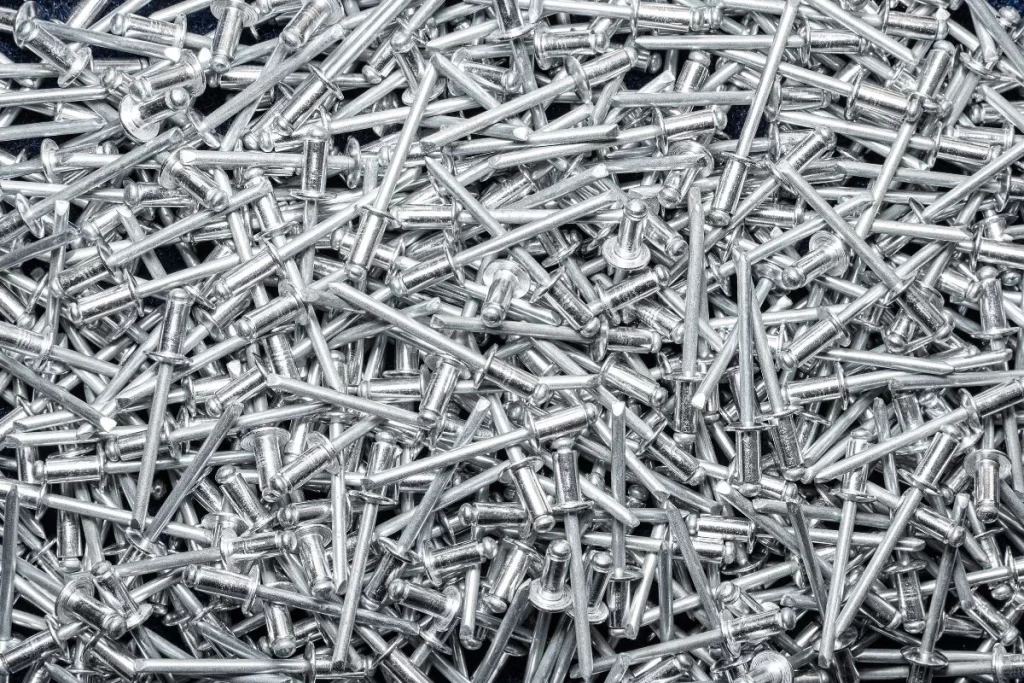
Aluminum / Aluminum Rivet : Special alloy aluminum body and Special alloy aluminum nail
It is used if no rust formation is desired over time after the riveting process. It provides a more economical but weaker joint than stainless steel rivet.
Multigrip Rivet : Special alloy aluminum body and steel nail
The rivet body is made of a stronger material than the standard pop rivet, and the lines on the rivet body provide a stronger riveting process.
Wide Head Multigrip Rivet: Special alloy aluminum body and steel nail
The rivet body, which is made of a stronger material than the standard pop rivet, and the lines on the rivet body provide a stronger riveting process. In addition, thanks to the wide flanged body, it ensures that the material on the front side of the riveted materials is held more strongly.
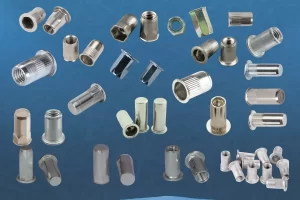
Nut Rivet : Steel
It can be applied to materials that are too thin to be threaded, allowing bolts to be applied to even the thinnest surfaces. After applying a nut rivet to a thin saac material, you can mount any material you wish with a bolt.