
In industrial production processes, the durability and reliability of fasteners play a critical role in the longevity of products. Especially in structures that carry heavy loads, are exposed to high pressure or operate in harsh environmental conditions, standard rivets may not be sufficient. Heavy-duty rivets specially designed for such applications offer cost-effective solutions in the long term by increasing both durability and reliability. In this article, we will examine in detail what heavy duty rivets are, their selection criteria and application areas.
What are Heavy Duty Rivets?
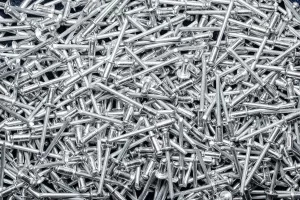
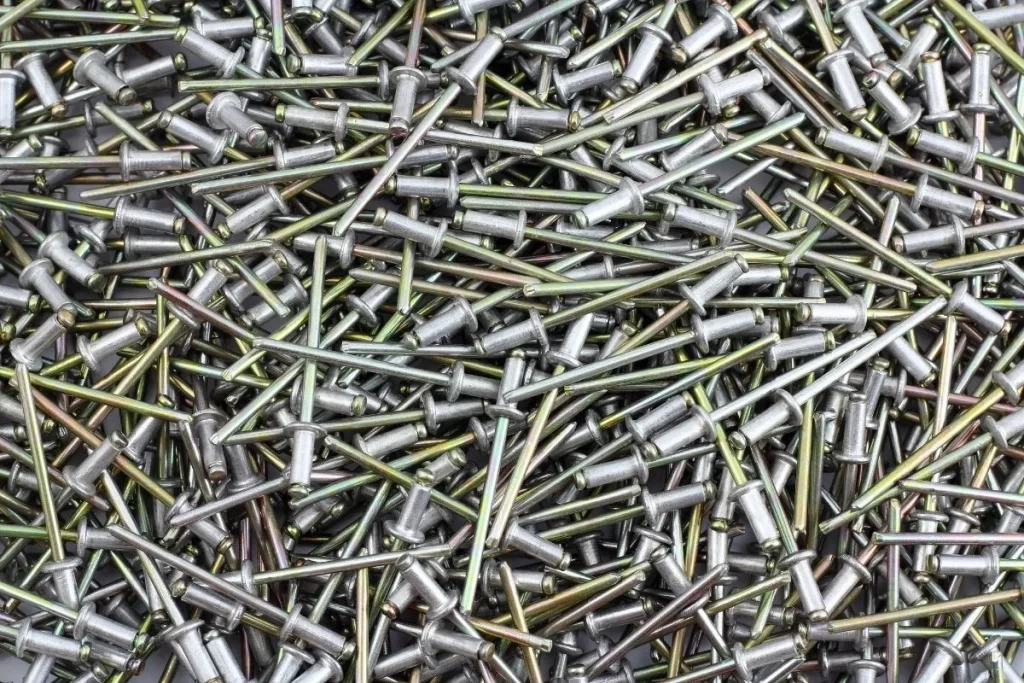
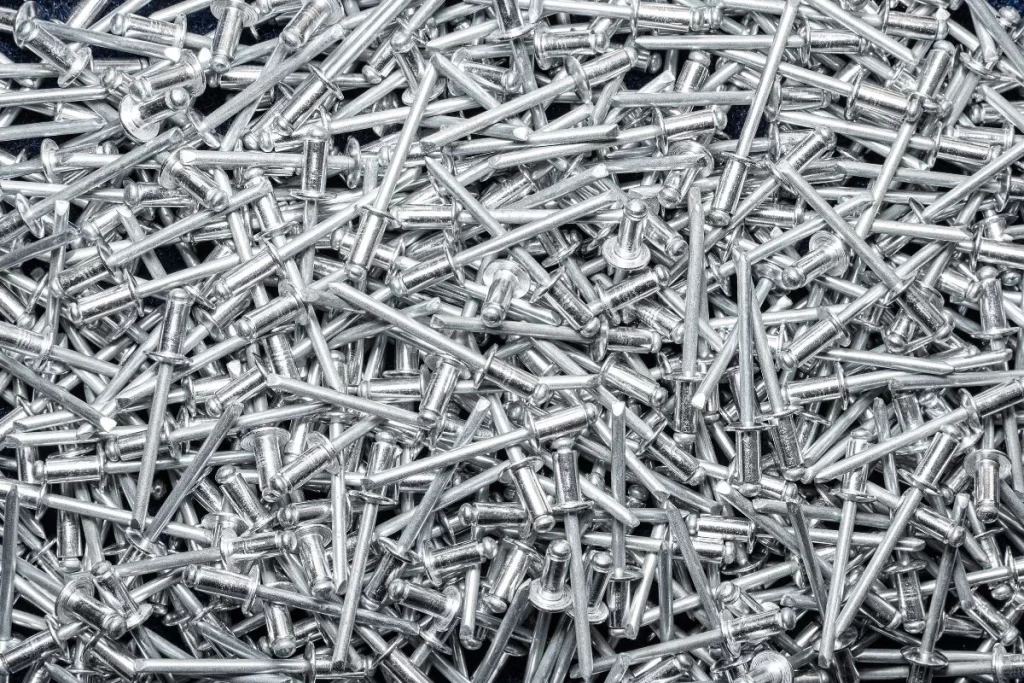
Heavy-duty rivets are fasteners that are generally designed to withstand high tensile and shear forces. These rivets are thicker and stronger than standard rivets, making them ideal for applications where heavy loads must be carried or withstand high pressure. They are usually manufactured from durable materials such as steel, stainless steel or high-strength aluminum. Heavy-duty rivets provide a tight and secure connection during installation thanks to their wide heads and thick shanks.
These rivets are widely used, especially in sectors such as heavy industry, shipbuilding, bridge and structure construction, railway and aerospace. Thanks to their high strength, these rivets can last a long time and maintain structural integrity, making them indispensable for the safety of critical structures.
Considerations in Selecting Heavy Duty Rivets
There are several important factors to consider when selecting heavy duty rivets. These factors can vary depending on the application and material the rivet will be used for. However, in general, the durability, material, size and ease of installation are the most important factors.
1. Material Type
The material of heavy-duty rivets has a direct impact on the durability of the rivet. Steel rivets are one of the most common choices due to their high strength. Stainless steel rivets are especially ideal for applications where corrosion resistance is required. Aluminum rivets, on the other hand, are preferred in weight-limited applications due to their lighter weight.
The choice of material should take into account the conditions of the environment in which the rivet will be used. For example, rivets used in the marine industry need to be highly resistant to salt water, while rivets used in aviation need to be lightweight and strong at the same time.
2. Rivet Size and Type
The size and type of heavy-duty rivets directly affect the success of the assembly process. The diameter of the rivet must match the thickness of the materials to be fastened. Also important is the type of rivet head; rivets with large heads provide a more secure connection with the load distributed over a larger surface area.
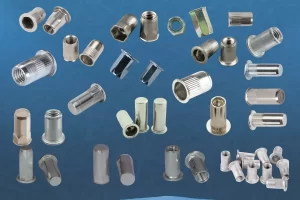
The type of rivet should be chosen according to the properties of the materials to be connected and the installation method. For example, blind rivets are ideal where one-sided access is required. Snap rivets, on the other hand, provide a more secure connection in heavy load-bearing structures.
3. Ease of Assembly
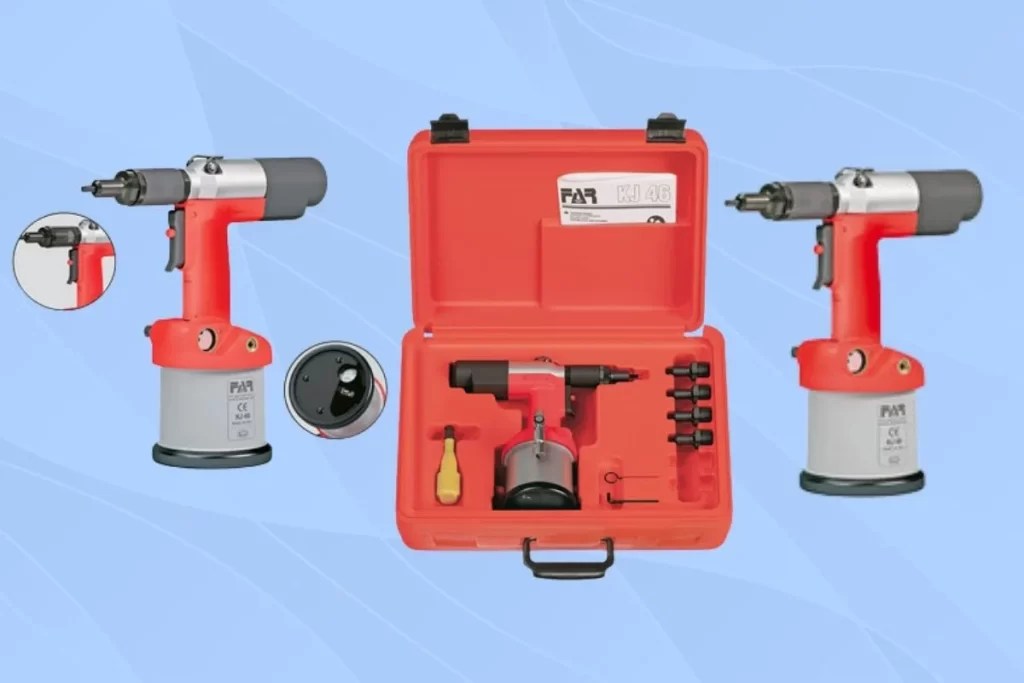
The installation of heavy-duty rivets often requires specialized equipment and competence. Therefore, how easy the selected rivets are to install can have a major impact on the efficiency of the project. Air riveting machines or hydraulic riveting devices are widely used in the assembly of heavy-duty rivets and speed up the assembly process. Post-assembly maintenance requirements should also be considered; some types of rivets are designed to be maintenance-free or require minimal maintenance.
Uses of Heavy Duty Rivets
Heavy duty rivets are used in many industries that require durability and strength. Here are some areas where these rivets are commonly used:
1.Shipbuilding and Maritime
In shipbuilding, heavy-duty rivets are used to ensure the structural integrity of the ship. Sea conditions can put great stress on structural elements, so the rivets used must be resistant to salt water and have a long service life. Stainless steel heavy duty rivets are an ideal choice for such applications.
2. Bridge and Structure Construction
In the construction of structures such as bridges and large buildings, heavy-duty rivets play a critical role to ensure the safety and durability of the structures. In such projects, the rivets need to be strong and reliable so that the structures will last for years to come. Steel heavy-duty rivets are often preferred for such structural applications.
3. Aerospace Industry
Heavy-duty rivets used in the aerospace industry must be both lightweight and high strength. Rivets made from lightweight materials such as aluminum and titanium are commonly used in the assembly of aircraft and spacecraft. These rivets are designed to withstand extreme pressure and temperature changes.
Conclusion
Heavy duty rivets play a vital role in industrial fastening processes. Offering superior performance in terms of durability, strength and reliability, these rivets maintain the integrity of structures in a variety of demanding applications. Choosing the right material, size and installation method increases the performance and longevity of these rivets. Nova Rivet offers a wide range of heavy duty rivets, enabling you to ensure the highest quality and safety in your industrial projects. By choosing the most suitable heavy duty rivets for your applications, you can guarantee the durability and reliability of your structures.